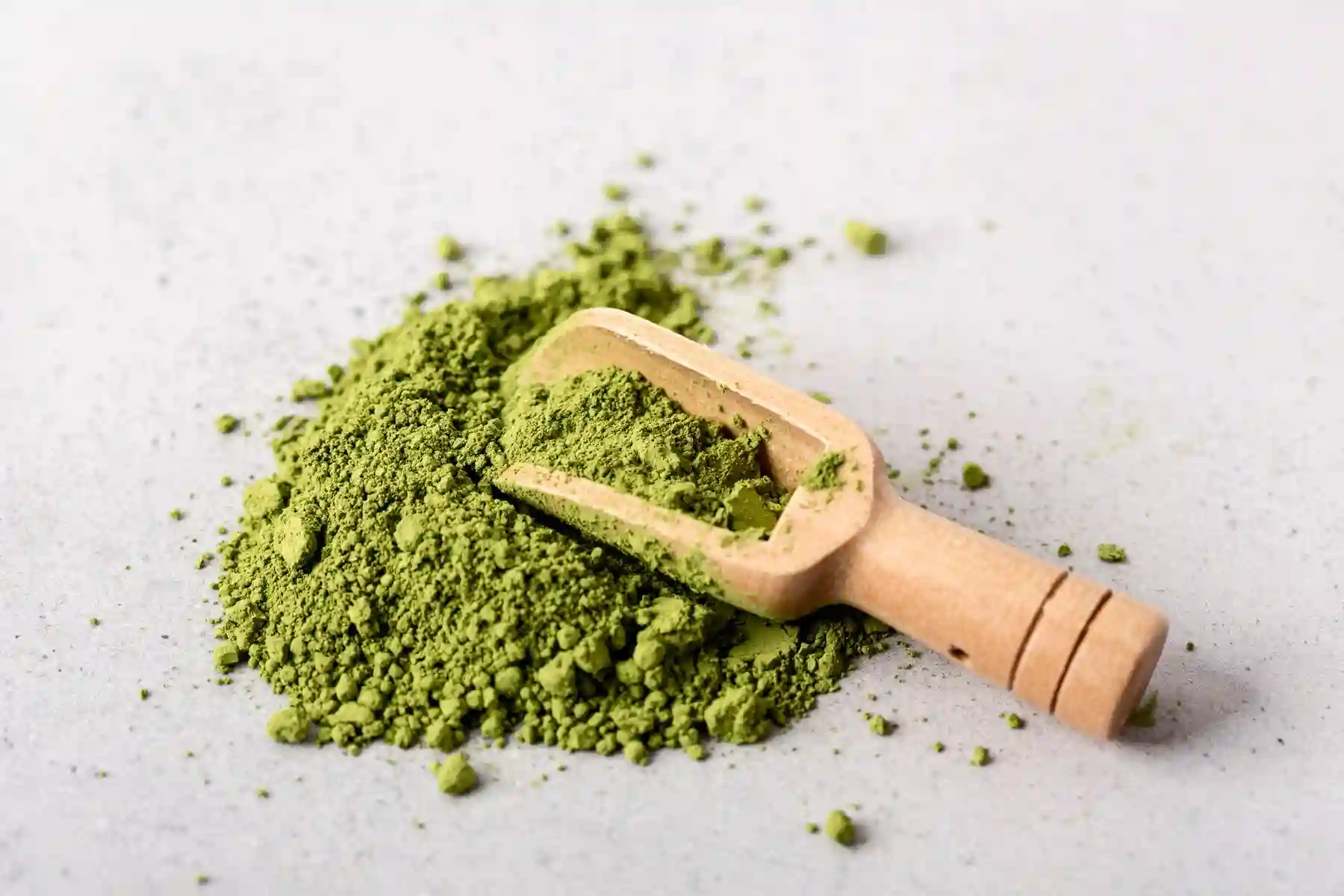



Pain relief comes in many forms. People often turn to prescription drugs like morphine or other opioids while others choose naturally growing herbs because they are suffering from physical pain which they are trying to alleviate. Each option carries its own considerations, risks and trade-offs. This article will compare two plant-based options people commonly use; kratom and marijuana, highlighting the differences both positive and negative.
Marijuana Vs Kratom For Pain
Nociceptive & Neuropathic Pain
The human body experiences two distinctive types of pain which tend to respond differently to different psychoactive herbs.
Nociceptive pain is caused by damage to body tissue and may be triggered by inflammation, chemicals or physical events in which the sensory system responds to potentially harmful stimuli. Examples range from a broken nose to smashing your funny bone into a piece of furniture. The pain is often described as sharp, aching or throbbing. The tissue damage sends these pain signals through the spinal cord, to the brain, in order to initiate the healing process.
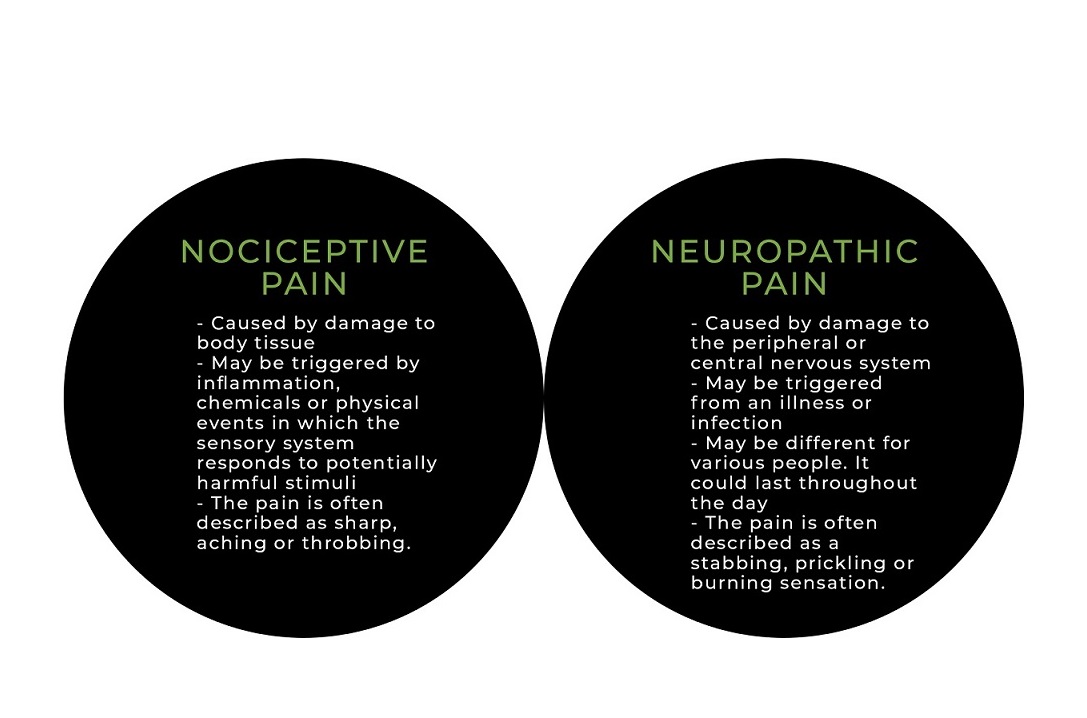
Neuropathic pain is a result of problems with nerve signals. It results from damage to the peripheral or central nervous system, unlike the normal stimulation of pain receptors. Often the effect of an illness or infection, neuropathic pain may be different for various people. It could last throughout the day and is described as a variety of sensations such as stabbing, prickling or burning.
Marijuana is known more for its usage for neuropathic pain, while kratom is known to be used more for nociceptive pain.
The Differences in Psychoactive Effect
There are noticeable differences in how each herb makes you feel, largely due to the way their active compounds interact with the body. In marijuana, the primary psychoactive component is THC (tetrahydrocannabinol), which affects the endocannabinoid system and is responsible for the well-known psychoactive “high.” This can include altered perception, euphoria, deep relaxation, or in some cases anxiety and mental fog. Depending on the amount used and the strain (indica vs. sativa), it is often obvious to both the user and others that they are “high.” Marijuana can also cause red eyes and significantly increase appetite, commonly referred to as “the munchies.”
Kratom’s two most understood active compounds are mitragynine and 7-hydroxymitragynine, which targets the mu-opioid receptor as partial agonist which mean it activates the receptor to a much lesser degree than classical opioids. Rather than producing strong perceptual changes, kratom is not typically described as causing a noticable high. Many users describe feeling more clear-headed and functional, with effects that can range from mildly energizing at lower amounts to more relaxing at higher amounts. When used moderately, the effects are often subtle enough that others may not notice. There is no major effect on appetite like there is with marijuana. As with any substance, individuals can experience it differently.
Factoring in the Risks
A big reason people avoid hard drugs like heroin, as well as many prescription medications that are opiates, is that they can be highly addictive. In some cases, stopping them can lead to intense withdrawal symptoms that are extremely uncomfortable and, in certain situations, medically dangerous. Beyond the risk of dependence, opioids can also leave users feeling sluggish, unmotivated, and mentally foggy, especially with long-term use.
Marijuana is generally considered less physically addictive than opioids, but that does not mean it is completely risk-free. Some users can develop dependence, tolerance, or experience mild withdrawal symptoms. Like any substance, its effects can vary depending on the individual, the strain, how much and how frequently it is used.
Kratom is also known to carry some risk of tolerance and withdrawal, particularly with frequent or high-dose use. However, experiences are not uniform, and different people report different levels of dependence or side effects. When weighing the costs and benefits of kratom versus marijuana, it is important to take these potential risks into account. At the same time, some individuals find that kratom provides effects that marijuana does not. Ultimately, understanding the trade-offs and approaching any substance responsibly is key to making an informed decision.
The Different Forms & Strains of Kratom & Marijuana
Both herbs come in different forms and have different strains. Marijuana is typically sold in the form of flower which is then grinded down and rolled into a joint and smoked. THC products is also available in oils, which can be vaped or as edibles and beverages. There are many different strains of marijuana but they are divided into three main categories: Sativa, Indica and Hybrid. Sativa is known for more uplifting and energetic effects while Indica is known to be sedative. Hybrid lies somewhere in between. Some common strains include:
- Blue Dream
- Purple Kush
- Sour Diesel

People typically buy kratom powder, but it is available as capsules, pills, extracts, shots and edibles. Kratom is categorized by its three vein colors: red vein, green vein and white vein. Red vein is generally used for relaxation and calmness. White vein is known to provide clarity and focus. Green vein is in between the two. Some popular kratom strains include:
Conclusion
The final takeaway is that both of these herbs are often considered by people looking for alternatives to stronger substances and prescription medications. Each comes with its own set of effects, benefits, and potential risks. Which one may be more suitable depends largely on the type of discomfort someone is dealing with, how they want to feel, and how they weigh factors such as tolerance and dependence. By understanding how kratom and marijuana differ, from their psychoactive components to how they affect mood, appetite, and daily function, individuals can make a more informed decision. When approached responsibly, both are natural options that some people use for relaxation and relief from the aches and stresses of everyday life, while remaining mindful that no substance is entirely without trade-offs.
Disclaimer: Kratom has not been evaluated by the FDA for pain relief or any other medical use. This information is educational only. Always consult a healthcare provider before use.